
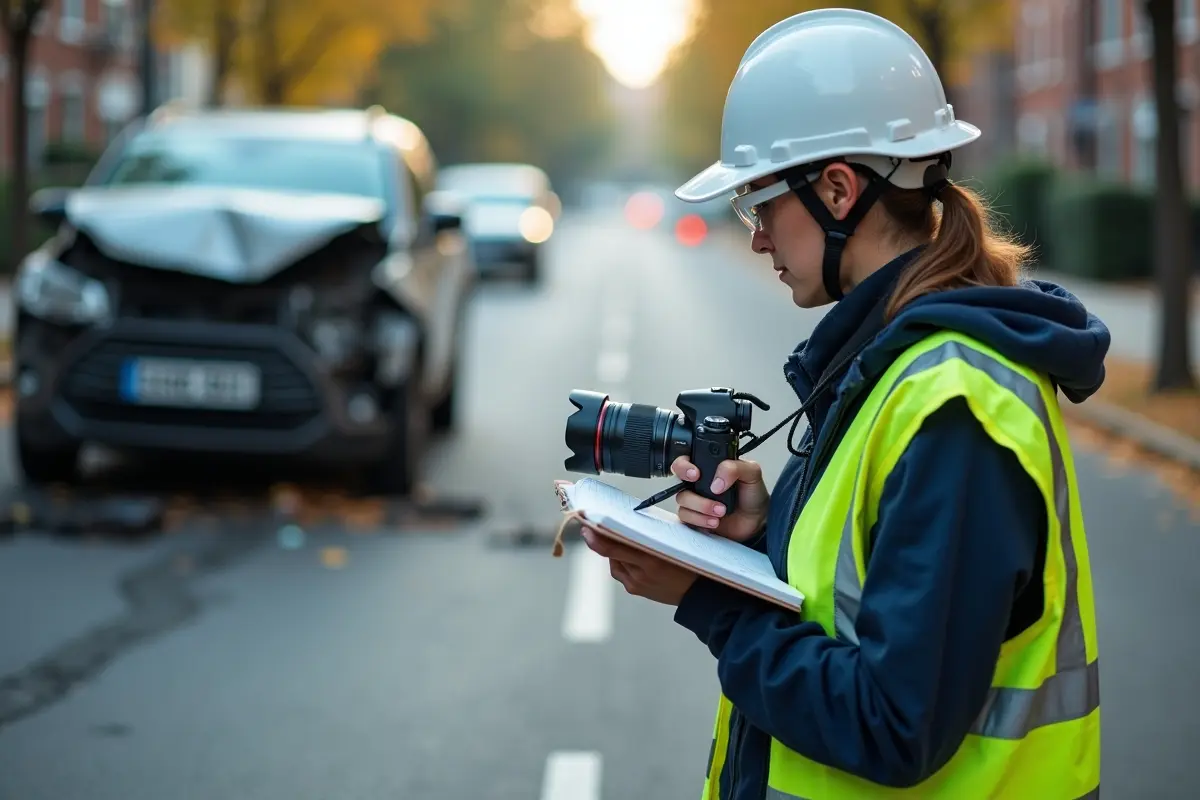
It seems that evidence in slip and fall accidents can disappear very quickly. After a floor is mopped, ice melts, or a broken light bulb is changed, hazardous conditions may no longer be visible. The evidence you gather right after the accident may be important later.
Take a picture of the hazard first
Your cell phone can be extremely helpful here. If you can do so safely, take a picture as soon as possible after the accident.
Take a picture of the hazard first. Whether it was a slippery liquid, uneven pavement, an uneven step, or poor lighting, it may be the source of your injuries and one of the first conditions to change on the property. Take pictures from several angles. Do not only take a picture of the floor; photograph the area where the hazard appeared.
Then, provide some kind of scale. A shot of the pothole or uneven floor may not be enough – you need to show how deep or high the hazard is. Put a coin, key, or pen next to the hazard while taking the picture. Use a coin as a point of reference for the person who will review your pictures. Then, take the picture from a medium distance, giving the viewer some understanding of how the hazard relates to the rest of the place. Finally, take a wide picture to show the location of the hazard in the building or parking lot.
Two more tips regarding the picture. Never post your evidence on Instagram or other social media platforms. Original photographs from your cell phone may contain metadata – such as an embedded timestamp and GPS information about when and where you took the picture. Keep the original files.
Report it at the scene and get the documentation
If the accident took place at a store, restaurant, parking garage, or rental building, and you are able to do so, go to the manager and ask them to complete an incident report right away. Do not rely solely on telling a floor employee. Ask the manager to make sure the report is prepared and documented.
Write down the name and job title of every person you talk to. If someone tells you that the report will be completed later or that you need to contact them to get a copy, write down all the details, including that person’s name. This may help create a contemporaneous record that includes the date and time.
Secure witnesses while they are still present
Witnesses may leave the scene. The opportunity to gather statements from uninvolved witnesses is limited, and their independent accounts can be valuable.
If somebody saw what happened to you or saw the hazardous conditions, ask for their name and phone number. If the witness is ready to write down two or three sentences regarding the situation, that can be helpful. Do not put pressure on anyone, but do not assume that they will stay.
When local legal guidance may be useful
Premises liability questions can involve local building codes, municipal maintenance standards, and the duties of different property owners, landlords, retailers, property management companies, and municipalities. If your incident happened in the Philadelphia area, speaking with a Philadelphia slip and fall lawyer may help clarify which premises liability rules may apply and which maintenance responsibilities may be relevant.
This is especially relevant if the hazard is connected with stairway lighting, parking lot conditions, or poorly maintained common areas of a rental property where the responsibilities of the landlord and tenant may be unclear.
Request the surveillance video in writing
Some business premises have cameras. Some camera systems automatically overwrite older video after a short period. If nobody asks to preserve the footage, it may be overwritten before it can be reviewed.
Send a written request – if possible via e-mail, so that you have a timestamp. Write to the property owner or manager asking them to preserve video footage from the area of your accident. A written request may help create a record that you asked for the footage to be preserved. The legal consequences of lost footage can depend on the circumstances and local law.
Preserve what you were wearing
Put the shoes and clothing you were wearing during your accident in a large bag, close it, and store it somewhere safe. Do not wash the clothes or shoes, since they may contain trace evidence that could be valuable later.
This is important because a common argument in premises liability cases is that your footwear or behavior contributed to the accident. The shoes you were wearing during the accident may be relevant when those claims are assessed.
Build the paper trail right after the incident
Falls are a common reason for emergency department visits. Slip and fall cases can also involve disputes about how the incident occurred, which makes clear documentation especially important.
In the following days after the accident, keep a record of every medical visit, injury-related expense, and communication with the property owner or insurance company. Collect all the documents in one place – pictures, witness contacts, the incident report, medical records, and correspondence. This kind of organized documentation can make what happened easier to verify later.